Peripheral Artery Disease (PAD) and Venous Insufficiency (VI) are two common conditions that affect the vascular system in your legs, but they stem from very different issues. While both can cause leg pain and discomfort, understanding their distinct causes, symptoms, and treatments is the first step toward finding the right care.
What Is Peripheral Artery Disease (PAD)?
PAD is a circulatory condition where narrowed arteries reduce blood flow to your limbs, most often your legs. This is primarily caused by atherosclerosis, a buildup of fatty plaque on the inner walls of the arteries. This plaque hardens and narrows the vessels, restricting the flow of oxygen-rich blood from the heart to the rest of the body. Without enough blood supply, your muscles and tissues can suffer.
What Is Venous Insufficiency (VI)?
Venous Insufficiency, on the other hand, is a condition where the valves in your leg veins are damaged and fail to effectively push deoxygenated blood back to the heart. When these valves don’t work properly, blood can flow backward and pool in the legs. This pooling leads to increased pressure in the veins and can cause a range of uncomfortable symptoms and visible changes in the legs.
Key Differences: Symptoms, Causes, and Treatments
Understanding the distinctions between these two conditions is crucial for an accurate diagnosis. PAD, caused by plaque buildup in the arteries, leads to a reduction of oxygenated blood flow to the limbs. Symptoms often include pain or cramping in the legs during physical activity (known as claudication), which subsides with rest. Other signs of PAD include coldness or numbness in the legs and feet, and slow-healing sores.
In contrast, Venous Insufficiency is a result of damaged vein valves. This causes a failure to return deoxygenated blood to the heart, leading to pooling in the legs. The symptoms are often characterized by a dull, aching, or heavy feeling in the legs that worsens with prolonged standing or sitting. Additional signs of VI include swelling in the ankles and calves, skin discoloration, and visible varicose veins.
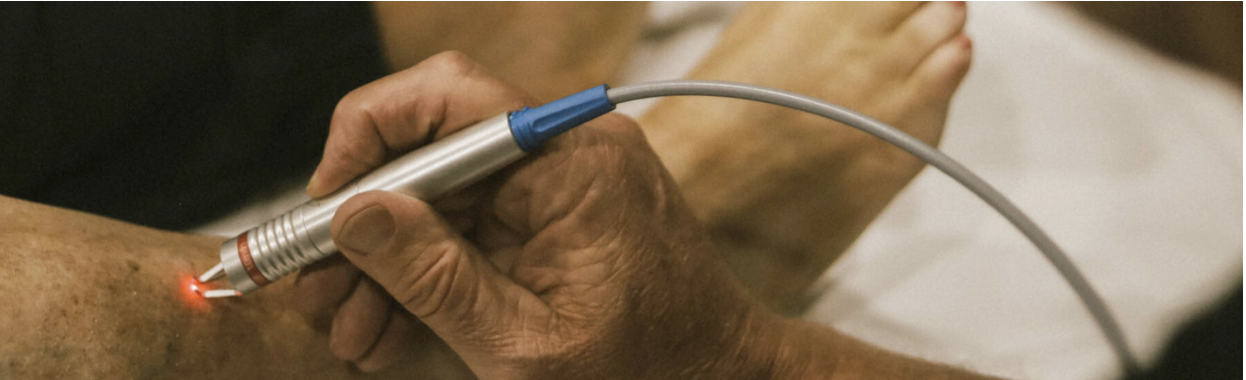
A key difference is also found in diagnosis and treatment. PAD is typically diagnosed using an Ankle-Brachial Index (ABI) test, which compares blood pressure in the ankle to that in the arm. VI is diagnosed with a Duplex Ultrasound, which visualizes blood flow in the veins. For VI, there are a variety of minimally invasive in-office procedures that provide excellent, long-lasting results. These modern techniques, such as Endoluminal Ablation and Sclerotherapy, target the underlying cause by closing off the problematic vein, redirecting blood flow to healthier veins.

Diagnosis: A Closer Look
A proper diagnosis is crucial for effective treatment. A vascular specialist will conduct a thorough physical examination and review your medical history. If PAD is suspected, an ABI test is a simple and non-invasive way to measure blood pressure in the arteries of your feet and arms. For VI, a Duplex Ultrasound can reveal the exact location of damaged valves and pinpoint where blood is pooling.
Treatment Options
While both conditions can be managed with lifestyle modifications like regular exercise and a healthy diet, the medical treatments are quite different. For VI, there are a variety of minimally invasive in-office procedures that provide excellent, long-lasting results. These modern techniques, such as Radiofrequency Ablation, target the underlying cause by closing off the problematic vein, redirecting blood flow to healthier veins. This helps relieve symptoms and often improves the cosmetic appearance of varicose veins.
Conclusion
Peripheral Artery Disease and Venous Insufficiency are distinct conditions that require a different approach to diagnosis and treatment. By understanding the differences, you can better recognize the signs and seek professional care. Whether you are experiencing leg pain while walking or have swelling after a long day, consulting with a vascular specialist is the best way to get a proper diagnosis and the right treatment plan for your vascular health.
Frequently Asked Questions
Can I have both PAD and Venous Insufficiency? Yes, it is possible to have both conditions at the same time, especially since they share some common risk factors like age, smoking, and obesity. A comprehensive evaluation by a vascular specialist is the only way to get a full and accurate diagnosis.
Is one condition more serious than the other? Both conditions can lead to serious complications if left untreated. PAD can increase your risk of heart attack and stroke, while severe VI can lead to chronic skin ulcers and infections. Early diagnosis and treatment are key for managing both.
Do I need to see a vascular specialist for diagnosis? Yes, a vascular specialist has the expertise and equipment to accurately diagnose and treat these complex conditions. They can perform the necessary diagnostic tests and recommend the most effective treatment options for your specific needs.