Non-Surgical Vein Treatments: Transforming Vein Care for Good
For decades, the standard treatment for varicose veins involved painful surgery and a lengthy recovery period. Today, that has all changed. The field of phlebology has advanced with a new generation of non-surgical vein treatments that offer a highly effective, minimally invasive alternative to traditional surgery. These modern procedures are performed in a comfortable office setting, allowing you to achieve beautiful, healthy legs with minimal pain and little to no downtime.
What Makes a Vein Treatment “Non-Surgical”?
The key difference between non-surgical and traditional surgical treatments is the approach. Instead of requiring general anesthesia, surgical incisions, and an extended hospital stay, non-surgical treatments use advanced technology to address the underlying vein problem from within. These procedures are performed on an outpatient basis and are often completed in less than an hour, making them a convenient option for anyone with a busy schedule. The goal is to close off or eliminate the faulty vein, allowing blood flow to naturally redirect to healthy veins.
Advanced Treatment Options
Modern vein clinics specialize in a variety of non-surgical treatments tailored to a patient’s specific needs. A comprehensive diagnostic ultrasound is always performed first to create a personalized treatment plan. Here are some of the most common and effective non-surgical options:
- VenaSeal: A proprietary medical adhesive used to treat varicose veins. The product seals off the vein and alleviates symptoms associated with the vein. This procedure is done under local anesthesia. Dr. Douglas Stafford is the Inland Northwest’s only board-certified general surgeon offering VenaSeal to treat venous disorders.
- Patients leave the office with a band-aid to cover the small incision, and there is no requirement to wear compression stockings after the procedure. Most patients are back to full activity, including exercising the next day, and no pain medication is needed.
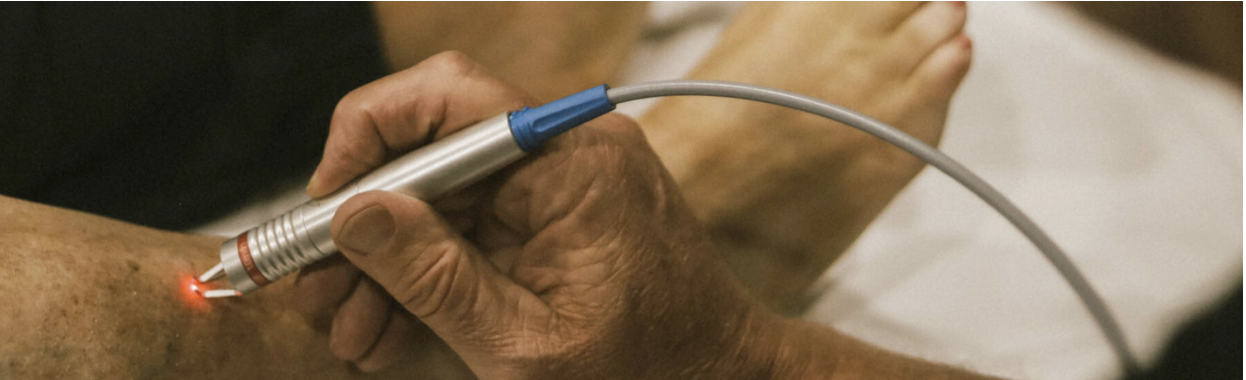
- Endovenous Ablation: This broad category includes both laser and radiofrequency treatments. Both procedures use a small catheter inserted into the problematic vein. The catheter delivers thermal energy to heat and seal the vein shut. The body then gradually absorbs the treated vein, and blood is rerouted to healthier veins.
- Endovenous Laser Ablation (EVLT) uses laser energy.
- Radiofrequency Ablation (RFA) uses radiofrequency energy. Both are highly effective for treating the root cause of large varicose veins.
- Sclerotherapy: This popular treatment is ideal for smaller varicose veins and spider veins. The procedure involves injecting a sclerosant solution directly into the vein. This solution irritates the vein lining, causing it to collapse and seal. Over time, the treated veins fade from view. Sclerotherapy is a quick, painless procedure that can be performed in minutes.
- Microphlebectomy: While technically a minor surgical procedure, microphlebectomy is considered a minimally invasive treatment. Through tiny pinhole incisions, a vein specialist removes sections of a problematic vein. It is often performed in conjunction with ablation to remove larger, bulging veins and requires no stitches.
The Benefits of Choosing a Non-Surgical Approach
The advantages of choosing non-surgical vein treatments are clear and compelling:
- Minimal Pain and Discomfort: Procedures are performed under local anesthesia, so you’ll feel little to no pain.
- Quick Recovery: Most patients can walk immediately after the procedure and resume normal activities within 24 hours.
- High Success Rates: These treatments boast success rates of over 95% in closing treated veins.
- Excellent Cosmetic Results: In addition to relieving painful symptoms, these therapies significantly improve the appearance of the legs.
The Process from Consultation to Recovery
Your journey to healthier legs begins with a personalized consultation and a full diagnostic ultrasound. During this visit, a vein specialist, like Dr. Douglas Stafford, will assess your condition and create a tailored plan. The treatment itself is performed in the comfort of the clinic. Post-procedure, you will be encouraged to walk and wear compression stockings as part of your aftercare. This simple recovery plan ensures a smooth healing process and long-lasting results.
Expert Care You Can Trust
Choosing the right specialist is the most important step in your treatment journey. A reputable clinic with a board-certified physician who specializes in venous disease is key. With an emphasis on personalized care, a trusted expert can ensure that you receive the most effective treatment for your specific needs, delivering not just a procedure but a comprehensive solution for your leg health.
Conclusion
Non-surgical vein treatments have revolutionized the care of varicose and spider veins. They offer a safe, effective, and convenient way to address both the medical and cosmetic concerns associated with venous disease. If you are experiencing leg pain, heaviness, or are concerned about the appearance of your veins, today’s modern, non-surgical solutions can help you achieve healthier, more beautiful legs without the pain and downtime of traditional surgery.
Frequently Asked Questions
Does insurance cover non-surgical vein treatments? Most insurance plans cover non-surgical vein treatments when they are deemed medically necessary, typically requiring documented symptoms and a positive diagnostic ultrasound.
How many treatments will I need? The number of treatments depends on the severity of your condition. For venous insufficiency, one or two treatments on the main source vein are often all that’s needed. Smaller spider veins may require a few sessions of sclerotherapy.
How long do the results last? The veins that are treated will not reappear. However, a patient’s underlying predisposition to venous disease means new veins can form over time. Maintaining a healthy lifestyle and following your doctor’s recommendations can help prolong your results.