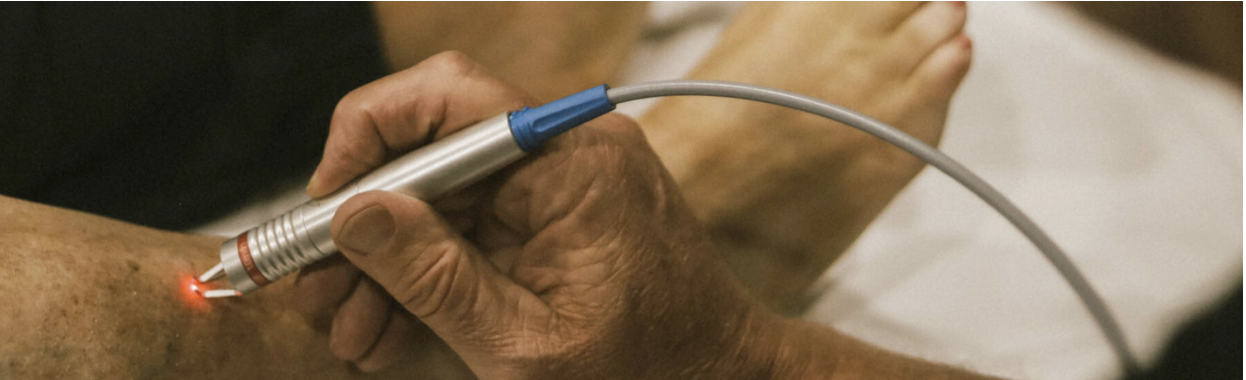
Venous Stasis Dermatitis (VSD), also known as gravitational or varicose eczema, is a common skin condition that affects the lower legs, often causing redness, itching, scaling, and skin discoloration. It is a direct symptom of chronic venous insufficiency, the underlying problem where faulty valves in the leg veins cause blood to pool. Effective care for Venous Stasis Dermatitis must address two things simultaneously: managing the skin inflammation and correcting the poor circulation that causes the blood to pool (venous reflux).
The Core Problem: Venous Insufficiency
The visible changes of VSD, such as swelling (edema) and skin irritation, occur because the pressure from pooled blood (venous hypertension) causes fluid to leak into the surrounding tissues. This leakage affects the skin, leading to the characteristic symptoms of inflammation and rash. Treating the skin alone only offers temporary relief; the most successful long-term care strategy is to control or eliminate the chronic edema and the underlying venous insufficiency.
Essential Self-Care and Lifestyle Modifications
Self-care plays a crucial role in managing Venous Stasis Dermatitis and preventing flare-ups. These habits are designed to improve circulation and reduce swelling:
- Leg Elevation: Regularly elevating your legs above the level of your heart helps improve blood flow and reduce swelling. Dermatologists recommend doing this for about 15 minutes every two hours and while you sleep.
- Compression Therapy: Wearing properly fitted, prescription-grade compression stockings or socks is essential. Compression helps reduce swelling and pressure in the veins, improving circulation.
- Keep Moving: Avoid sitting or standing for long, continuous periods. Taking a brisk walk for 10 minutes every hour can jump-start your circulation and strengthen calf muscles.
- Skin Care: Moisturize dry skin frequently with a fragrance-free ointment or thick cream, such as petroleum jelly, to prevent irritation and scaling. Use a mild, fragrance-free cleanser instead of soap when bathing.
Medical and Interventional Treatments
While self-care is vital, medical treatments are needed to manage inflammation and correct the faulty veins.
- Topical Medications: Your provider may prescribe topical corticosteroid creams or ointments to quickly reduce inflammation during a flare-up. Oral or topical antibiotics may be prescribed if a skin infection is present.
- Ulcer Care: If the condition progresses to open sores (venous ulcers), specialized dressings, such as those made with zinc oxide paste or hydrocolloid dressings, may be used. In severe cases, a compressive wet dressing like an Unna boot may be applied.
- Addressing Venous Insufficiency: The most definitive long-term care involves treating the damaged veins. Procedures that can eliminate the source of venous reflux and hypertension include:
- Endovenous Ablation (using laser or radiofrequency energy).
- Ultrasound-Guided Sclerotherapy (using a sclerosant foam/solution).
These minimally invasive procedures correct the underlying vein failure, which is the best way to prevent the recurrence and progression of Venous Stasis Dermatitis.
The Importance of Expert Consultation
Venous Stasis Dermatitis is a long-term condition that cannot be cured, but it can be effectively controlled with proper management. If you notice discolored, swollen, or irritated skin around your ankles, it is crucial to consult with a specialist, such as a vascular surgeon or dermatologist. A vascular specialist can perform a Diagnostic Ultrasound to assess your vein health, confirm the diagnosis, and guide you toward the most effective combination of skin care and vein treatment.
Conclusion
Care for Venous Stasis Dermatitis is a dual effort: it requires diligent daily self-care to manage swelling and inflammation, and it benefits greatly from medical procedures that treat the underlying venous insufficiency. By partnering with Dr. Douglas Stafford, the Inland Northwest’s vein expert, you can address the root cause of your condition, prevent serious complications like non-healing ulcers, and achieve lasting comfort and health in your legs. Contact Venia today!
Frequently Asked Questions
Can Stasis Dermatitis be cured?
Venous insufficiency and Stasis Dermatitis are typically long-term, chronic conditions that cannot be cured. However, the symptoms can be effectively managed and controlled with continuous self-care and professional medical treatment.
What happens if I don’t treat the underlying vein issue?
Without treating the underlying venous insufficiency, the condition is likely to progress, potentially leading to chronic, hard-to-heal venous ulcers, skin infections, and permanent changes in skin color and texture.
Should I stop wearing my compression stockings if my symptoms improve?
No. Compression stockings are the cornerstone of VSD care and prevention. They help manage the chronic venous insufficiency, and you should continue to wear them daily unless otherwise instructed by your doctor.