Vein Removal in Coeur d’Alene: Your Path to Healthier, Lighter Legs
For those suffering from the pain, heaviness, and aesthetic concerns of varicose and spider veins, the thought of traditional vein “removal” surgery can be daunting. Thankfully, the field of venous medicine has evolved significantly. Today, effective and long-lasting vein removal in Coeur d’Alene is achieved through a suite of minimally invasive, non-surgical procedures that have replaced older, more invasive techniques. These modern treatments offer a way to eliminate unwanted veins and reclaim the comfort of healthy legs.
Understanding the Need for Vein Removal
Veins are an essential part of our circulatory system, working with one-way valves to return deoxygenated blood to the heart. When these valves become weak or damaged, they fail to function properly, causing blood to pool in the veins. This leads to increased pressure, which can cause veins to swell, twist, and bulge, resulting in visible varicose veins and the development of spider veins. This condition, known as venous insufficiency, is the underlying cause that requires professional intervention. The purpose of vein removal is not to harm your circulation, but to close off these malfunctioning vessels, allowing blood to reroute to healthier, properly functioning veins.
Modern Methods of Vein Removal
The era of painful vein stripping and lengthy hospital stays is over. Today’s vein removal procedures are performed in a comfortable outpatient setting and are typically completed in under an hour. These treatments are highly effective and are performed with precision using ultrasound guidance.
- VenaSeal: An innovative treatment for varicose veins that uses a proprietary medical adhesive to safely seal the affected vein and relieve associated symptoms. The procedure is performed under local anesthesia, and Dr. Douglas Stafford is the Inland Northwest’s only board-certified general surgeon offering this advanced option for venous disorders.
During treatment, a thin catheter is guided into the target vein using ultrasound. Small amounts of the medical adhesive (a specialized cyanoacrylate) are then delivered along the vein, causing the vein walls to bond together and close. Once sealed, the vein is gradually absorbed by the body, while healthy veins take over normal blood flow.
Because VenaSeal is a minimally invasive, outpatient procedure, it avoids surgical removal, typically causes less pain and bruising than heat-based treatments, and often eliminates the need for tumescent anesthesia.
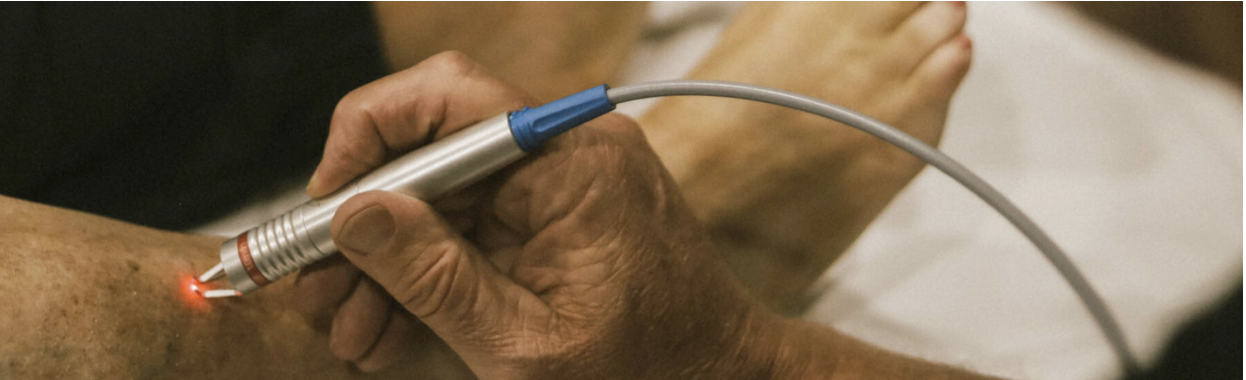
- Endovenous Ablation: A cornerstone of modern vein removal, this procedure uses a thin catheter inserted into the faulty vein. The catheter delivers thermal energy to the vein wall, causing it to collapse and seal shut. This treatment is highly effective at addressing the large, underlying veins that cause varicose veins. This method includes both Endovenous Laser Ablation and Radiofrequency Ablation. Both are a safe and effective way to remove problematic veins.
- Sclerotherapy: Ideal for treating small to medium-sized varicose veins and spider veins, Sclerotherapy involves injecting a sclerosant solution directly into the vein. This solution irritates the vein’s lining, causing it to swell and collapse. The vein then closes off, and over time, it fades from view. Sclerotherapy is a quick procedure that requires no anesthesia and is often used to complement other treatments to achieve optimal cosmetic results. You can find more information about this procedure on the clinic’s Sclerotherapy page.
The Process and Recovery
Your journey to vein-free legs begins with a thorough consultation and a detailed diagnostic ultrasound. This painless test is performed to map your venous system and identify the source of the problem. Based on the findings, a personalized treatment plan is developed.
During the treatment, the specialist will numb the area with a local anesthetic to ensure your comfort. Most procedures are completed in less than an hour, and you can walk immediately afterward. Patients are encouraged to remain active and wear compression stockings for a period of time to aid in the healing process and promote proper circulation. The recovery is fast, and most individuals can return to their normal daily routine within 24 hours.
The Benefits of Expert Care in Coeur d’Alene
When considering vein removal in Coeur d’Alene, choosing a board-certified vein specialist is paramount. An expert will not only provide a safe and effective procedure but also offer a comprehensive treatment plan to address the underlying cause of your vein issues. This commitment to long-term care helps reduce the risk of future vein problems, ensuring that the results of your treatment are both immediate and lasting.
Conclusion
Saying goodbye to painful or unsightly veins is now simpler than ever. With advanced, non-surgical vein removal treatments available in Coeur d’Alene, you can effectively address the root cause of your venous disease, relieve your symptoms, and restore your legs to their natural, healthy appearance. By choosing a specialized clinic, you can be confident that you are receiving the best possible care on your path to healthier, more comfortable living.
Frequently Asked Questions
Will vein removal affect my circulation? No, treating and removing these malfunctioning veins will not harm your circulation. Your body has a vast network of healthy veins that will take over the flow of blood from the treated veins, often improving overall circulation.
Is vein removal permanent? Yes, the veins that are treated are permanently closed off and will not return. However, vein disease is a chronic condition, and new varicose or spider veins may form over time. A healthy lifestyle and regular check-ups can help manage this.
Is vein removal covered by insurance? Many insurance providers cover vein removal procedures when they are deemed medically necessary to treat symptoms such as pain, swelling, and heaviness. A consultation and diagnostic ultrasound are typically required to verify medical necessity.