If aching, swollen, or bulging veins have started affecting your daily life, radiofrequency vein ablation may be one of the most comfortable and effective solutions available. This minimally invasive procedure is a cornerstone treatment at Venia, where Dr. Douglas Stafford uses it to close diseased veins and relieve the symptoms of Chronic Venous Insufficiency without surgery or a hospital stay.
What is Radiofrequency Vein Ablation?
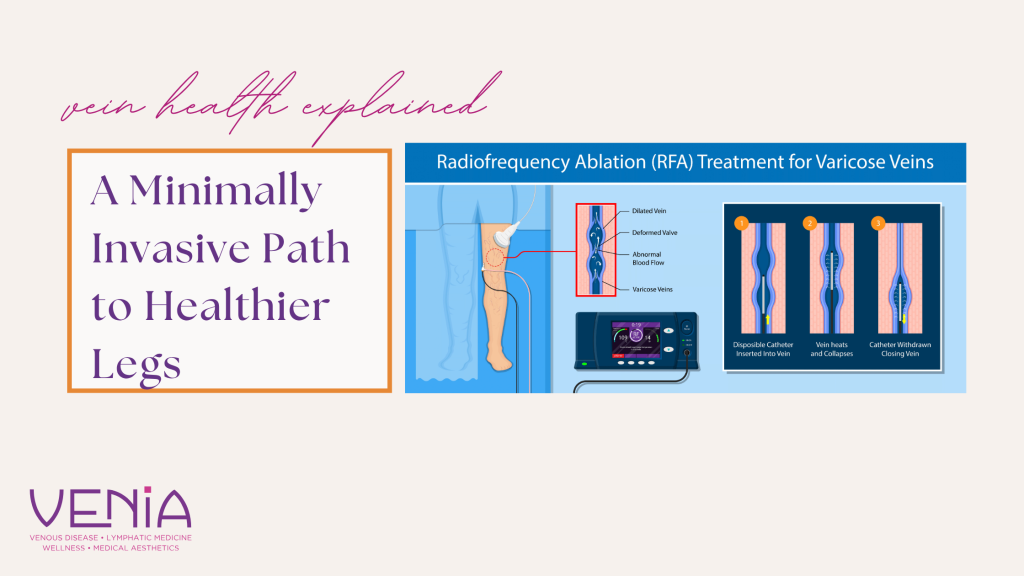
Radiofrequency vein ablation, often called RFA, is a thermal treatment designed to close a malfunctioning saphenous vein from the inside. Rather than removing the vein, RFA seals it shut so that blood naturally reroutes through nearby healthy veins, helping reduce the venous reflux and pooling that contribute to varicose veins and related symptoms.
How the Procedure Works
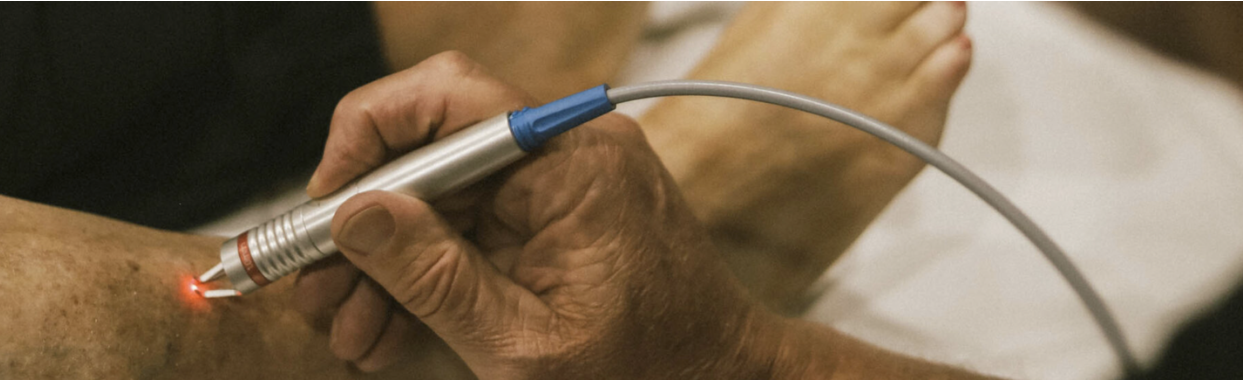
- Ultrasound Guidance: A thin catheter is guided into the diseased vein using real-time ultrasound imaging, ensuring precise placement.
- Controlled Heat Delivery: The catheter delivers targeted radiofrequency energy to the vein wall, causing the collagen within it to heat, contract, and collapse.
- Vein Closure: Once sealed, the vein closes permanently, and blood flow redirects to healthier vessels nearby.
The entire radiofrequency vein ablation procedure is typically completed in under an hour, performed comfortably in-office under local anesthesia.
Why Patients Prefer Radiofrequency Ablation
Compared to older treatment methods, radiofrequency vein ablation offers several distinct advantages:
- Minimal discomfort thanks to controlled, even heat delivery
- No general anesthesia or hospital stay required
- Quick recovery, with most patients resuming normal activities within a day
- High success rates for closing the source of venous reflux
Many patients describe RFA as one of the most tolerable vein procedures available, which is part of why it has become a gold-standard option in modern vein care.
What Happens After Radiofrequency Vein Ablation?
Once the source vein is closed, any remaining surface varicose veins can often be addressed through complementary treatments, such as microphlebectomy for larger bulging veins or sclerotherapy for smaller residual veins and spider veins. Compression stockings are typically recommended for a short period afterward to support healing and optimize results.
Diagnosis Comes Before Treatment
Not every case of vein disease calls for radiofrequency ablation. That’s why Venia begins every evaluation with a diagnostic ultrasound, mapping your venous system to confirm which veins are affected and whether RFA, laser treatment, or VenaSeal is the best fit for your anatomy and symptoms.
Coeur d’Alene’s Experienced Vein Care Team
As the only board-certified general surgeon in the Inland Northwest offering this full range of ablation technologies, Dr. Stafford has helped countless patients throughout Coeur d’Alene—and beyond—trade heavy, painful legs for lasting relief.
Curious if radiofrequency vein ablation is right for you? Contact Venia at 208.676.0104 to schedule your diagnostic ultrasound and consultation.