For those suffering from large, bulging varicose veins that cause pain, heaviness, and aesthetic concern, surgical removal is often the most effective solution. However, modern vein care in Coeur d’Alene (CDA) has replaced traditional vein stripping with a refined technique called Ambulatory Phlebectomy, or Microphlebectomy. This minimally invasive procedure is highly successful at physically removing problematic veins, offering immediate cosmetic improvement and long-lasting relief from symptoms, all with minimal downtime.
What is Microphlebectomy?
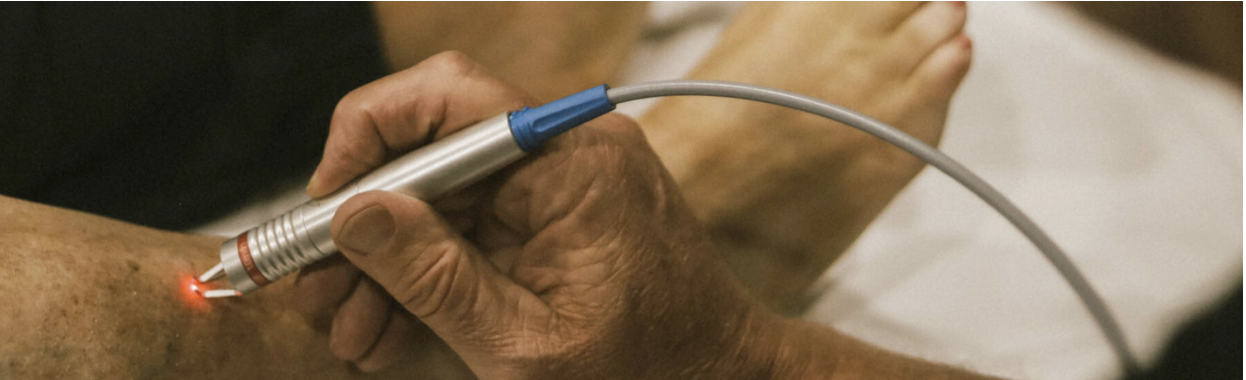
Microphlebectomy is a procedure designed to remove varicose veins that are too large for treatments like Sclerotherapy but too small for procedures like Endoluminal Laser Ablation. It is often performed after a larger, underlying vein (like the Great Saphenous Vein) has been successfully treated with ablation.
The technique involves:
- Small Incisions: The surgeon makes tiny, slit-like incisions (less than 3mm) in the skin over the affected vein.
- Vein Removal: Using specialized hooks, the damaged vein segments are physically removed through these small openings.
- No Stitches Required: Due to the small size of the incisions, no sutures or stitches are needed.
The entire procedure is performed under local anesthesia in the comfort of a vein clinic, allowing the patient to remain awake and comfortable throughout.
Why Microphlebectomy is a Preferred Treatment in CDA
Microphlebectomy offers significant advantages over older surgical methods:
- Immediate Results: The removed vein is gone immediately, providing instant relief from the bulging, rope-like appearance.
- Minimally Invasive: The procedure does not require general anesthesia or a hospital stay.
- Minimal Downtime: Patients experience very little interruption to their daily lives. The majority of patients do not need to interrupt their regular activities after treatment.
- Excellent Cosmetic Results: The tiny incisions heal quickly, resulting in virtually undetectable scars.
The Microphlebectomy Process in Coeur d’Alene
The process begins with a consultation at a specialized vein center. A Diagnostic Ultrasound is always performed first to accurately identify the veins requiring removal and to ensure that the primary source of the venous insufficiency has been addressed.
If Microphlebectomy is the recommended procedure, the steps typically involve:
- Marking the Veins: The specialist marks the target veins while the patient is standing, using the ultrasound for guidance.
- Local Anesthesia: The area around the veins is thoroughly numbed.
- Removal: The veins are meticulously removed through the small openings.
- Compression: The area is bandaged, and compression stockings are immediately applied to aid healing.
Patients are encouraged to walk immediately after the procedure, and recovery is fast, often leading to minimal post-procedure pain.
The Role of an Expert Vein Specialist
For Microphlebectomy for leg veins in CDA, choosing a highly experienced vein specialist is crucial for both safety and optimal cosmetic outcomes. Procedures like this should be performed by a professional with extensive training in vascular surgery and venous disorders. The expertise ensures precise vein removal, minimizes bruising, and guarantees that the treatment integrates correctly with other procedures like Endoluminal Ablation or Sclerotherapy. Contact Venia and discover more we can offer!
Frequently Asked Questions
Is Phlebectomy the same as Microphlebectomy?
Microphlebectomy is a modern, minimally invasive technique derived from the broader term Phlebectomy. It is often referred to as Ambulatory Phlebectomy because it is done under local anesthesia and patients walk immediately after.
Is the procedure painful?
No. The procedure is performed under local anesthesia, so you will not feel the vein removal itself. Any minor discomfort afterward can typically be managed with over-the-counter pain relievers.
Will I have visible scars after Microphlebectomy?
The incisions are tiny, often described as slit-like, and do not require sutures. Once healed, they are barely noticeable, leading to excellent cosmetic results.
How soon can I return to normal activity?
Recovery is very quick. Most patients are back to their regular routine the day after the procedure, with no need to interrupt normal activity. Walking is encouraged immediately to promote circulation.