If you suffer from leg pain, heaviness, or visible bulging veins, you may be researching the various types of vein surgery to find the right solution. At Venia, led by board-certified surgeon Dr. Douglas Stafford, we specialize in the latest advancements in vascular care, moving away from old-fashioned “vein stripping” toward sophisticated, minimally invasive techniques.
Modern Alternatives to Traditional Surgery
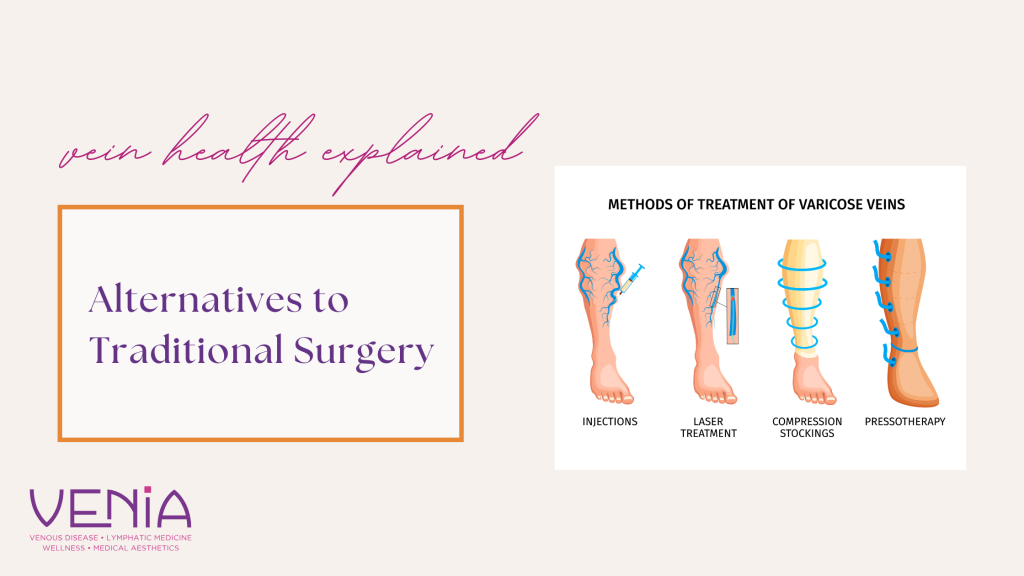
Historically, “vein surgery” meant a hospital stay and a painful recovery. Today, most patients at our Coeur d’Alene clinic are back on their feet immediately following their procedure. Here are the primary methods used to treat Chronic Venous Insufficiency (CVI) and varicose veins:
1. Thermal Ablation (Laser and Radiofrequency)
Thermal ablation uses heat to close diseased veins, redirecting blood flow to healthier vessels.
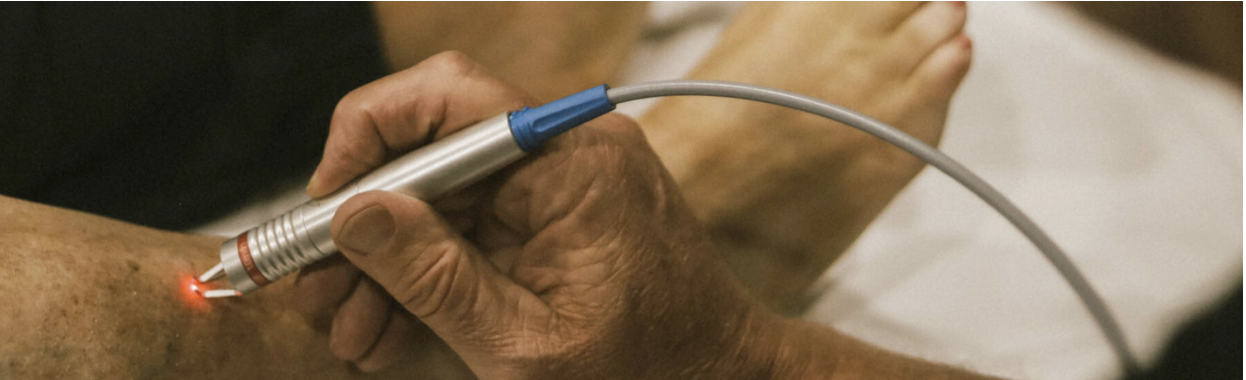
- Endoluminal Laser Ablation (EVLA): A thin laser fiber is inserted into the vein; the heat from the laser causes the vein wall to collapse and seal shut.
- Radiofrequency Ablation (RFA): Similar to laser, but uses radiofrequency energy to provide consistent, controlled heat to the vein wall.
2. VenaSeal™ (Medical Adhesive)
VenaSeal™ is a revolutionary “non-thermal” option that is often preferred by patients who wish to avoid heat or numbing injections.
- The Procedure: A medical-grade adhesive is used to physically seal the vein.
- The Benefit: Because there is no heat involved, there is a lower risk of nerve injury, and many patients do not need to wear compression stockings afterward.
3. Microphlebectomy
For large, bulging varicose veins that are visible on the surface, microphlebectomy is an excellent surgical choice.
- Minimally Invasive: Dr. Stafford removes the diseased veins through tiny, slit-like incisions that typically do not require stitches and leave virtually no scarring.
4. Sclerotherapy and Ultrasound-Guided Sclerotherapy
While often used for spider veins, sclerotherapy is also a vital tool for treating deeper, “feeder” veins.
- The Process: A specialized medicinal foam or liquid is injected into the vein, causing it to harden and eventually be absorbed by the body.
- Precision: We use diagnostic ultrasound to guide the needle into deeper veins that cannot be seen by the naked eye.
Why the “Type” of Procedure Matters
Not every vein issue requires the same approach. Some patients benefit from a combination of therapies—such as an ablation to fix the underlying “source” vein and a microphlebectomy to remove the visible surface veins. At Venia, we are the only clinic in the region offering all three major ablation technologies (Laser, RFA, and VenaSeal), ensuring you receive the specific treatment your anatomy requires.
Schedule Your Evaluation in Coeur d’Alene
The first step in determining which type of vein surgery or procedure is right for you is a medical ultrasound and consultation.
Ready to relieve your leg pain? Contact Venia at 208.676.0104 to schedule your evaluation at our Riverstone office.