Heavy, aching, swollen legs at the end of the day aren’t just a normal part of getting older—they can be early venous hypertension symptoms signaling a problem in your circulatory system. Left unaddressed, venous hypertension can progress into more serious complications, including Chronic Venous Insufficiency and venous ulcers. At Venia, Dr. Douglas Stafford and our team specialize in identifying and treating venous hypertension symptoms before they progress.
What is Venous Hypertension?
Venous hypertension occurs when the veins in your legs struggle to return blood back up to the heart. Normally, one-way valves inside your leg veins keep blood moving upward. When these valves weaken or fail—a condition known as venous reflux—blood pools in the lower legs, and pressure inside the veins rises. That elevated pressure is venous hypertension, and it’s the driving force behind many of the leg symptoms patients bring to our office.
Common Venous Hypertension Symptoms
Because venous hypertension develops gradually, its symptoms are often mistaken for normal fatigue or the effects of standing too long. Watch for:
- Leg heaviness or aching, especially after standing or sitting for extended periods
- Swelling in the ankles or lower legs that worsens throughout the day
- Visible varicose veins or spider veins near the skin’s surface
- Skin discoloration, often a brownish or reddish tint near the ankles
- Itching or a tight, tender feeling along the lower leg
- Restless legs or cramping, particularly at night
- Slow-healing sores or ulcers near the ankle in more advanced cases
If you’re noticing several of these venous hypertension symptoms together, it’s worth having your veins evaluated rather than waiting for them to worsen.
Why Symptoms Alone Aren’t Enough to Diagnose
Venous hypertension symptoms can overlap with other conditions, including arterial disease, lymphedema, and simple muscle fatigue. That’s why an accurate diagnosis requires more than a visual exam. At Venia, evaluation begins with a diagnostic ultrasound that maps blood flow through your veins in real time, allowing our team to pinpoint exactly which valves are failing and how severe the reflux has become.
Treating the Underlying Cause
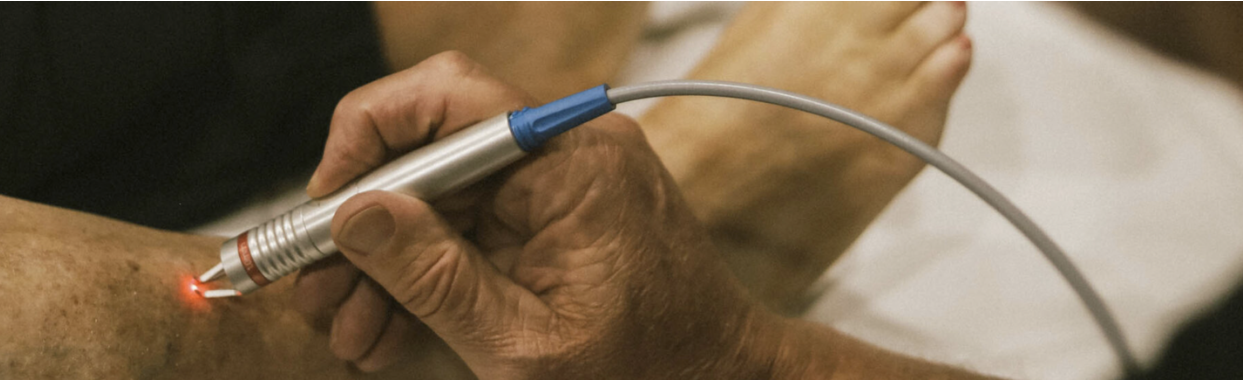
Once the source of venous hypertension is identified, Venia offers a full range of minimally invasive treatments to correct it, including radiofrequency ablation, endovenous laser treatment, and VenaSeal medical adhesive closure. These procedures seal the malfunctioning vein so blood naturally reroutes to healthier vessels, relieving pressure and resolving symptoms at the source rather than simply masking them.
Don’t Wait for Symptoms to Worsen
Venous hypertension tends to progress slowly but steadily. Addressing symptoms early—before skin changes or ulcers develop—typically means a simpler treatment path and a faster return to comfortable, healthy legs.
If you’re experiencing any combination of leg heaviness, swelling, or visible veins, contact Venia at 208.676.0104 to schedule a diagnostic ultrasound and get answers about what’s really happening beneath the surface.