If you are experiencing aches, swelling, or visible signs of varicose veins, you are likely wondering: What type of doctor treats varicose veins? The answer is that several types of medical specialists are qualified, but their training, expertise, and scope of practice can vary significantly. Understanding these differences is essential for choosing a provider who can effectively diagnose the underlying cause of your vein condition, known as venous insufficiency, and offer the most comprehensive treatment options.
The Leading Specialists in Vein Care
The most highly qualified and specialized physicians for treating varicose veins and other venous diseases generally fall into three categories:
1. Vascular Surgeons
Vascular surgeons are considered by many to be the best choice for complex vein disease management due to their extensive training.
- Scope of Practice: They are experts in the entire circulatory system, treating conditions that affect both the arteries and the veins throughout the entire body.
- Training: They complete 5 years of general surgery residency followed by 2 years of sub-specialty fellowship training in vascular medicine. This rigorous training includes both open surgical and minimally invasive endovascular procedures.
- Advantage: Vascular surgeons are best suited to manage both simple and complex vein disease, maintain hospital privileges for critical care, and provide complete pre- and post-procedure care.
2. Phlebologists (Vein Specialists)
A phlebologist is the official medical term for a physician who specializes in diagnosing and treating vein disorders.
- Scope of Practice: They focus primarily on vein-specific conditions like varicose veins, spider veins, and chronic venous insufficiency.
- Training: Phlebologists come from varied medical backgrounds, including general surgery, dermatology, internal medicine, or family practice. They obtain board certification through organizations like the American Board of Venous & Lymphatic Medicine (ABVLM).
- Important Note: The training pathways are not uniform, and some phlebologists may not have the extensive surgical or endovascular training gained through a formalized vascular fellowship. They typically focus on minimally invasive, non-surgical office procedures.
3. Interventional Radiologists
Interventional radiologists are physicians with specialized training in performing minimally invasive procedures using imaging guidance (such as X-rays or ultrasounds).
- Scope of Practice: They use imaging to diagnose and treat conditions throughout the body, including varicose veins and DVT.
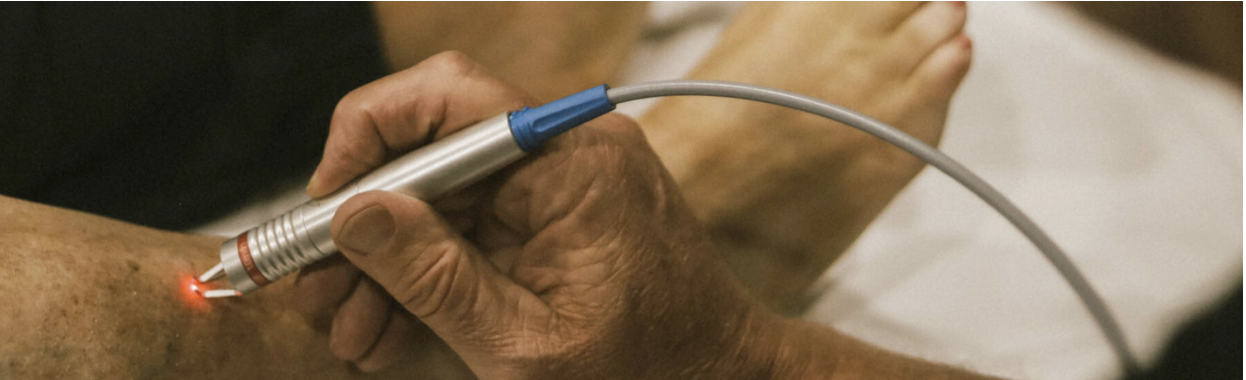
- Treatment Focus: They excel at image-guided procedures like Endovenous Laser Treatment (EVLT) and Radiofrequency Ablation (RFA).
Other Qualified Professionals
While the specialists above offer the most comprehensive vein care, other physicians are qualified to treat specific cases:
- Dermatologists or Dermatologic Surgeons may treat certain types of varicose and spider veins, often using treatments like sclerotherapy or superficial laser therapy.
- General Practitioners or Family Doctors can diagnose and treat mild cases of varicose veins and recommend lifestyle changes before referring a patient to a specialist.
How to Choose the Best Doctor for You
When seeking treatment for varicose veins or chronic venous insufficiency, it is crucial to look beyond a simple title and focus on credentials and experience.
- Check Credentials: Look for ABMS board certification in vascular surgery, interventional radiology, or cardiovascular medicine, as these specialties undergo rigorous, formalized training in vascular disease.
- Review Experience: Choose a doctor with a track record of successfully treating cases similar to yours.
- Seek Comprehensive Care: For complex symptoms or concerns about DVT, a specialist with a broad scope of practice (like a Vascular Surgeon) is often the best choice for a complete evaluation.
Conclusion
Varicose veins and venous disease are best managed by a specialist who understands the entire vascular system and can offer a full range of treatment options, from conservative management to minimally invasive procedures. By starting with a consultation and vetting the professional’s training and experience, you can ensure you connect with the right expert to achieve lasting relief and improve the health and appearance of your legs. Contact Dr. Stafford at Venia today!
Frequently Asked Questions
What is the main difference between a Phlebologist and a Vascular Surgeon?
A Vascular Surgeon is a board-certified specialist trained to treat the entire vascular system (arteries and veins) with both surgical and non-surgical options, while a Phlebologist primarily focuses on non-invasive or minimally invasive treatments for vein-specific conditions.
Which doctor is best for treating underlying venous insufficiency?
The best doctor is one with board certification and extensive experience in endovascular procedures, often a Vascular Surgeon, Interventional Radiologist, or a Phlebologist with robust training in one of these recognized specialties.
Do I need a referral to see a vein specialist?
It is often recommended to start with your primary care doctor, who can perform an initial assessment and provide a referral to the appropriate specialist, although some specialists may accept patients without one.
Does a vascular surgeon only perform surgery?
No. While they are trained in open surgery, modern vascular surgeons prioritize non-surgical and minimally invasive endovascular procedures like laser and radiofrequency ablation for treating varicose veins.